Alcohol is not prohibited in Mauritius, although it is consumed less than in some other countries. Drinks in Mauritius – both alcoholic and non-alcoholic drinks – are mostly imported, but there are also some locally produced beverages. The island’s stores mostly sell wine, beer and rum. I will briefly talk about beer and wine, and then I will dwell on rum in more detail – there’s something to talk about.
Quick Summary:
- Legal Age & Store Hours: The legal drinking age is 18. Supermarket alcohol sales end strictly at 13:00 on Sundays and public holidays (open until 20:00 Monday–Saturday).
- 2026 Local Drink Prices: Phoenix beer (650ml) costs 70–90 MUR (~€1.50) in supermarkets; artisanal rums cost 800–1,800 MUR (~€16–€36); imported wine starts from 350 MUR (~€7).
- Distillery Visiting Times: Rhumerie de Chamarel tours run Monday–Saturday 09:30–16:30 (entry 600 MUR / ~€12 with 9 tastings); Saint Aubin is open daily 09:00–17:00.
- Duty-Free Allowances: Inbound travelers can carry 1L of spirits and 2L of wine or beer tax-free. Rum purchased on the island must be packed in checked luggage.
- Alcohol in Mauritius: cider, beer and wine
- Supermarket Alcohol Hours and Duty-Free Regulations
- Rhum in Mauritius – history and kinds
- Where to taste rhum in Mauritius: rum production tours with tasting
- Rhumerie de Chamarel Tour Details and Booking
- Non-alcoholic beverages in Mauritius
- Frequently Asked Questions
Alcohol in Mauritius: cider, beer and wine
- Beer in Mauritius – represented by a pale Phoenix lager that has delighted locals and tourists since 1963. It has a pleasant aftertaste and has been praised by critics and consumers alike. The same company also makes Blue Marlin beer, a 6% ABV lager, and a pear-based, cider-like non-alcoholic drink called Pearona.
- Cider – there are several types of cider from South Africa. I’m not a cider fan, but I did try the popular Savana – it seemed dry and sour.
- Wine in Mauritius – you can find a variety of wines in Mauritius. These are mainly wines from France and South Africa. South African wines, by the way, are very good. I was told that Swiss winemakers go to South Africa and that is why the wine is so good. The price for a bottle of wine starts from 450 MUR (~9 EUR). The average price range for a bottle of good-quality wine is 10–15 EUR.
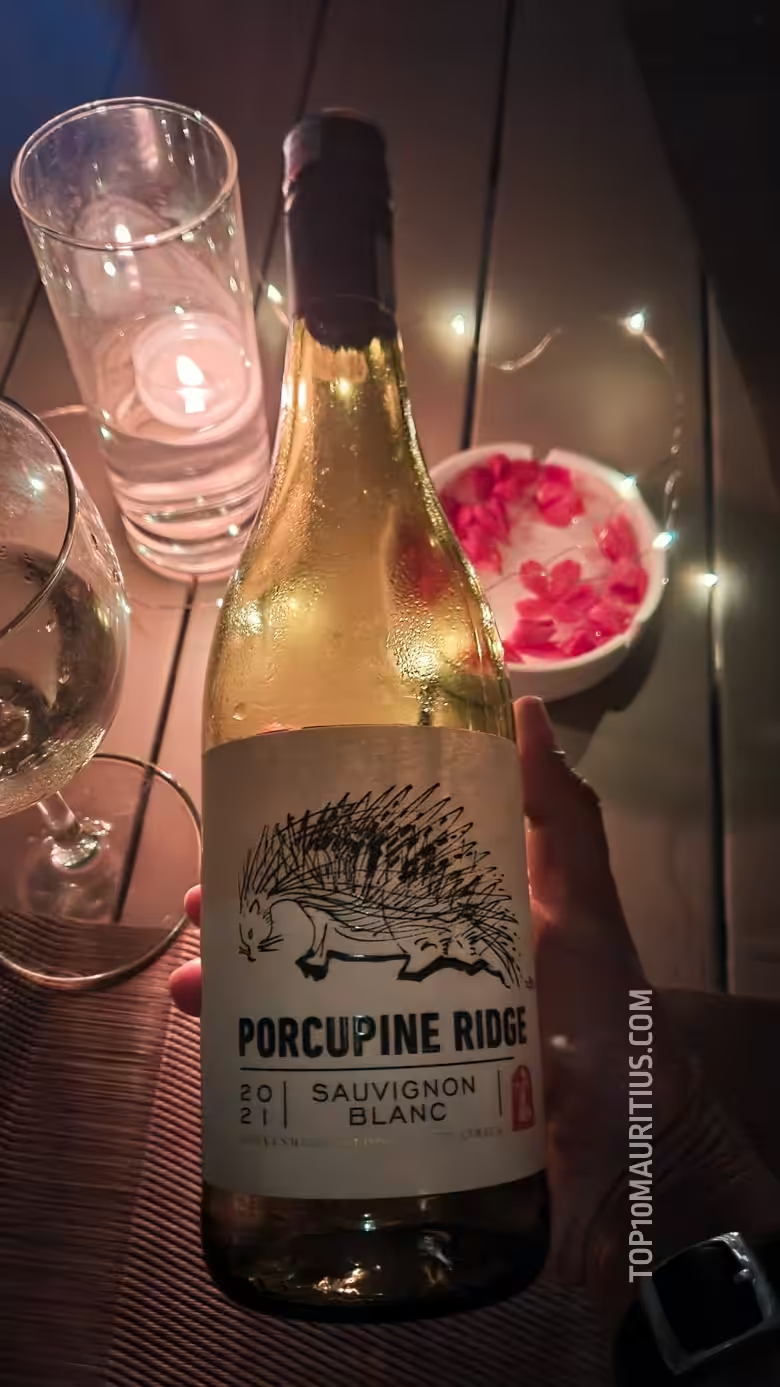

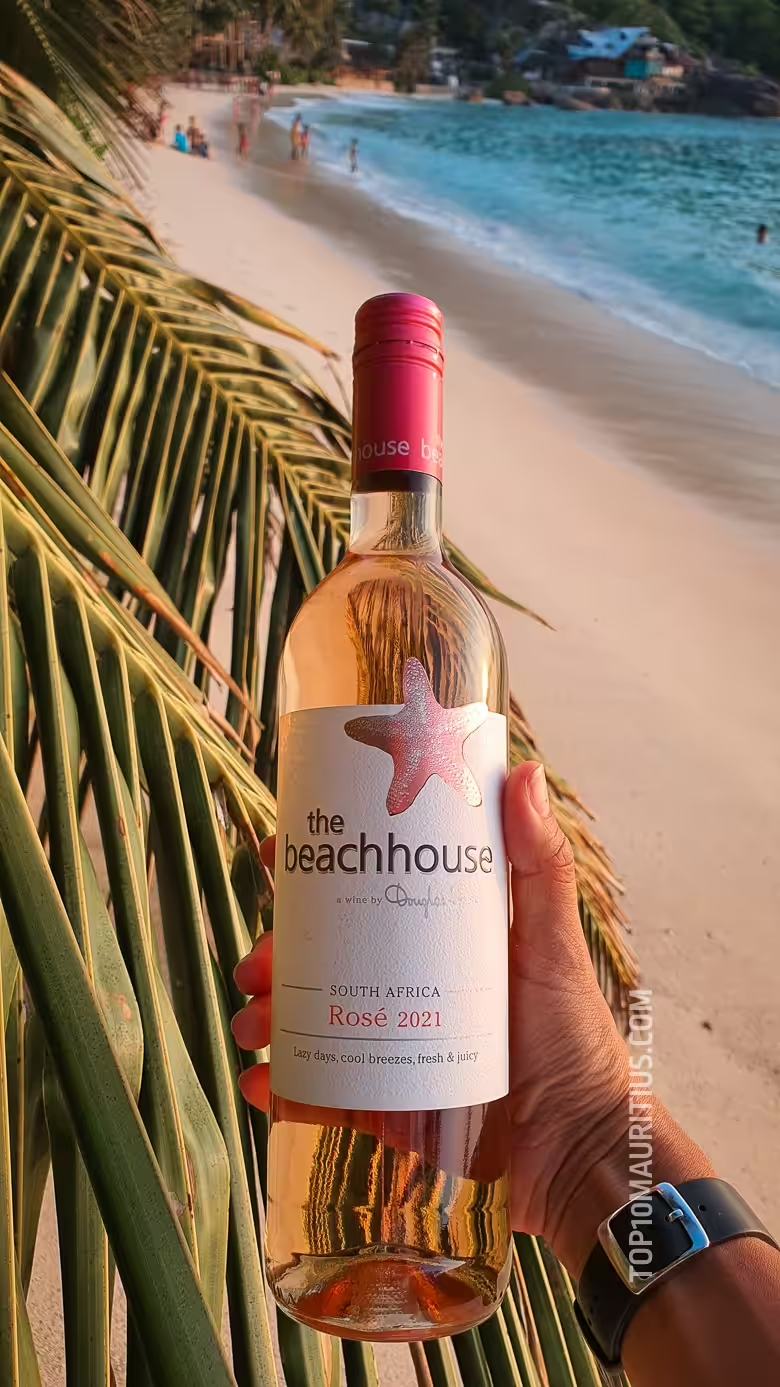
The best suited wines for the mild heat of Mauritius are dry lights or rosés. I don’t like sour wine, so Chardonnay was written off immediately. But Sauvignon Blanc was excellent. If you find rosé from the photo below, you will be surprised how accurately the description “fresh breeze” fits the taste of this wine.

That’s it about wine. But I have a lot more to tell you about Mauritian rum.
Supermarket Alcohol Hours and Duty-Free Regulations
Local supermarkets like Super U and Winners sell beer, wine, and spirits throughout the week. Alcohol sales stop sharply at 1:00 PM on Sundays and public holidays across the island. The legal drinking and purchasing age is strictly 18 years old.
Customs allows arriving adult travelers to import one liter of spirits and two liters of wine or beer tax-free. Pack store-bought rum inside checked luggage rather than carry-on bags to pass airport security checks on departure.
Rhum in Mauritius – history and kinds
The fact that rhum is made in Mauritius is a revelation to many. And Mauritian rum, by the way, is very good. Therefore, rum is a mandatory item on the list of connoisseurs of Mauritian cuisine. By the way, here is a list of 10 dishes you should definitely try on the island →
Rum is made out of sugar cane, and Mauritius is island-plantation of sugar cane. This story goes back to the 17th century when the Dutch arrived on the island. Today, rum is produced on an industrial scale, while following traditional recipes. So, pay attention to the labeling: industrial rum (Traditional Rum) is made from molasses, while the premium agricultural style (Rhum Agricole) is made from freshly pressed sugarcane juice.
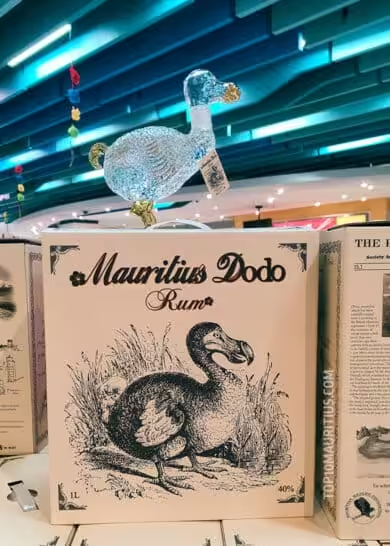
Rhum in Mauritius – cheap and high quality, produced in dozens of factories (Green Island, Blue Mauritius, Chamarel, New Grove, Flamboyant, Labourdonnais etc.). Some of them can be visited with a guided tour and tasting. Rum differs in degrees of exposure, which determines the color of the finished product, and in additional ingredients. For example, spicy rum with vanilla, nutmeg, ginger, and other spices is very popular.
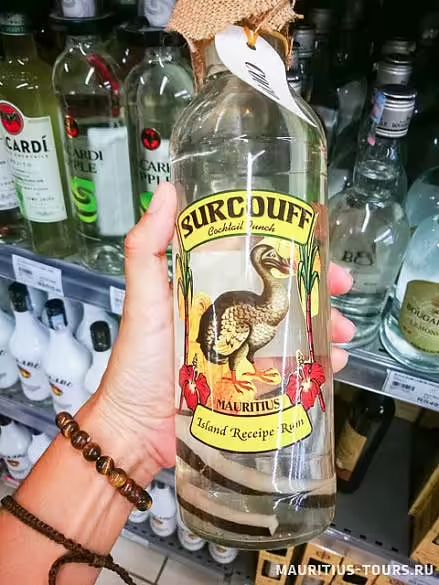
Also, worth mentioning is rhum arrangé – a rum-based drink with fruit and spices. There are complex cocktails, but it is considered good taste to add just two ingredients to your choice of rum.
💡Tip: Don’t buy rum at souvenir shops near tourist beaches—markups there can reach 40–50%. For standard varieties suitable for cocktails, head to large supermarket chains like Super U or Jumbo. For premium aged rhum agricole, it’s best to go directly to the distillery.
Where to taste rhum in Mauritius: rum production tours with tasting
Mauritius is home to several rum distilleries, and I visited two of them for a tasting. Both are set within old colonial estates, with a walk around the grounds included in the tour:
- Saint Aubin rhumerie – here you can hear and see how rum is made. The tour is followed by a tasting of different types of rum. A visit to this distillery is included in a tour of the south of the island. Read more on this page →
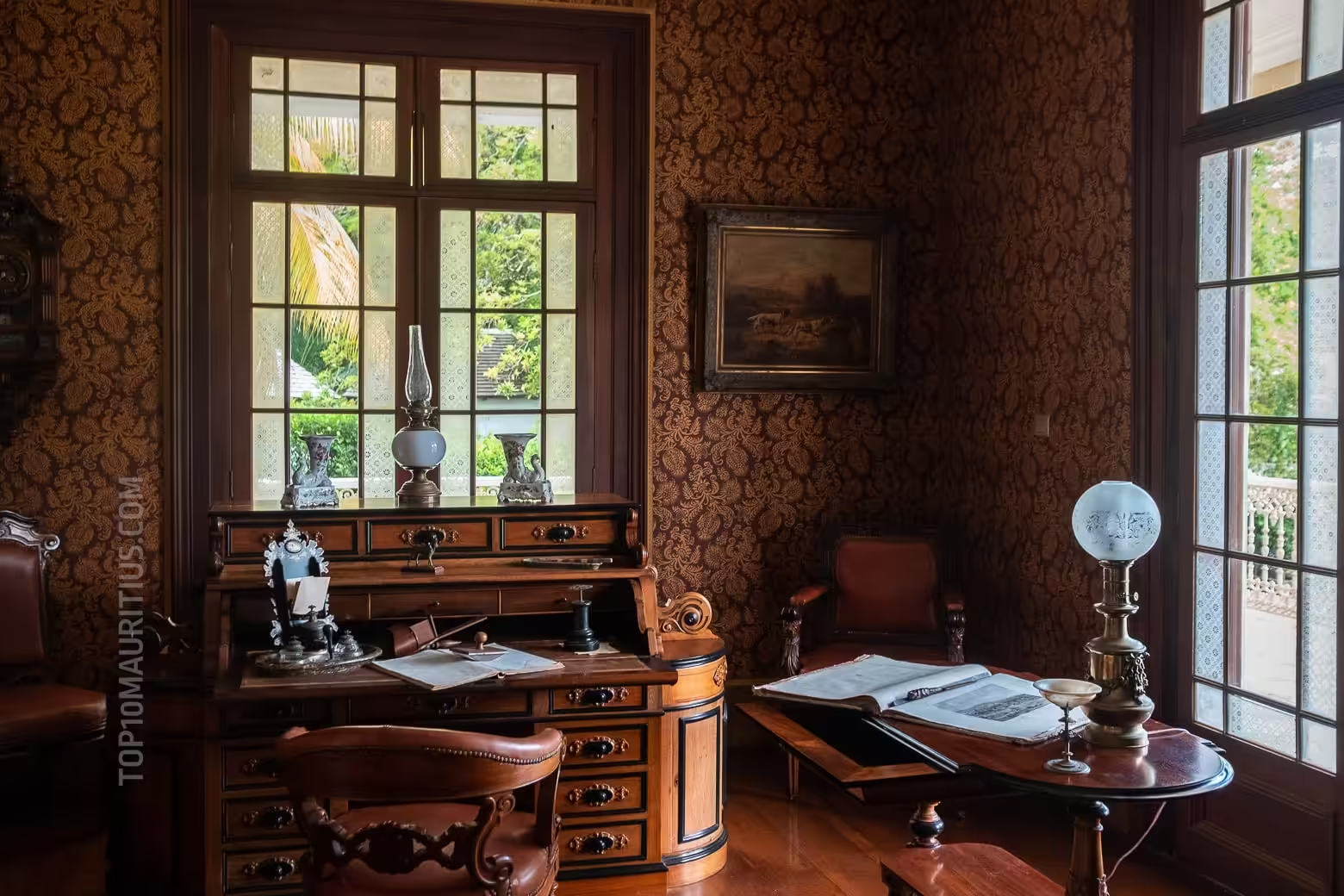
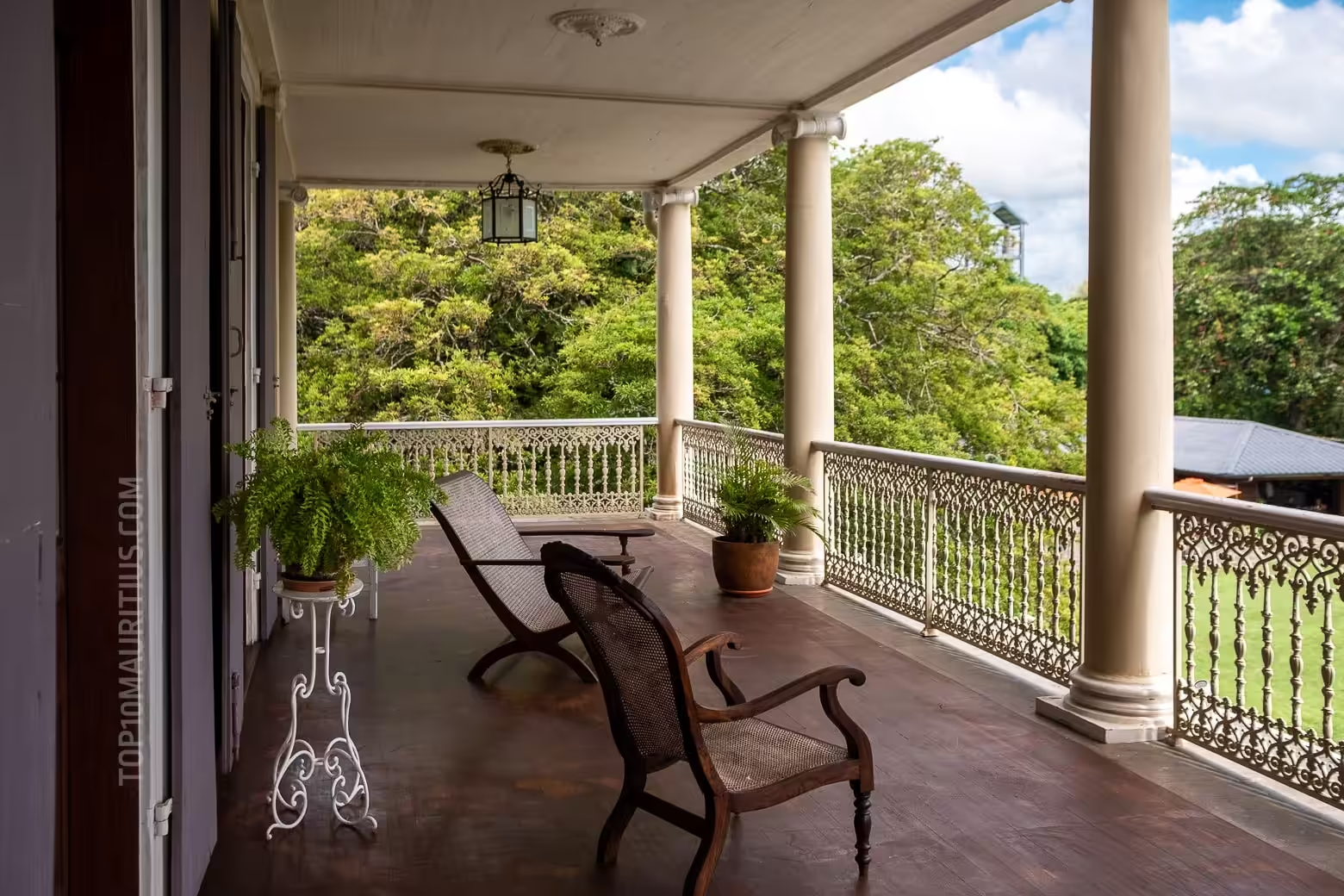
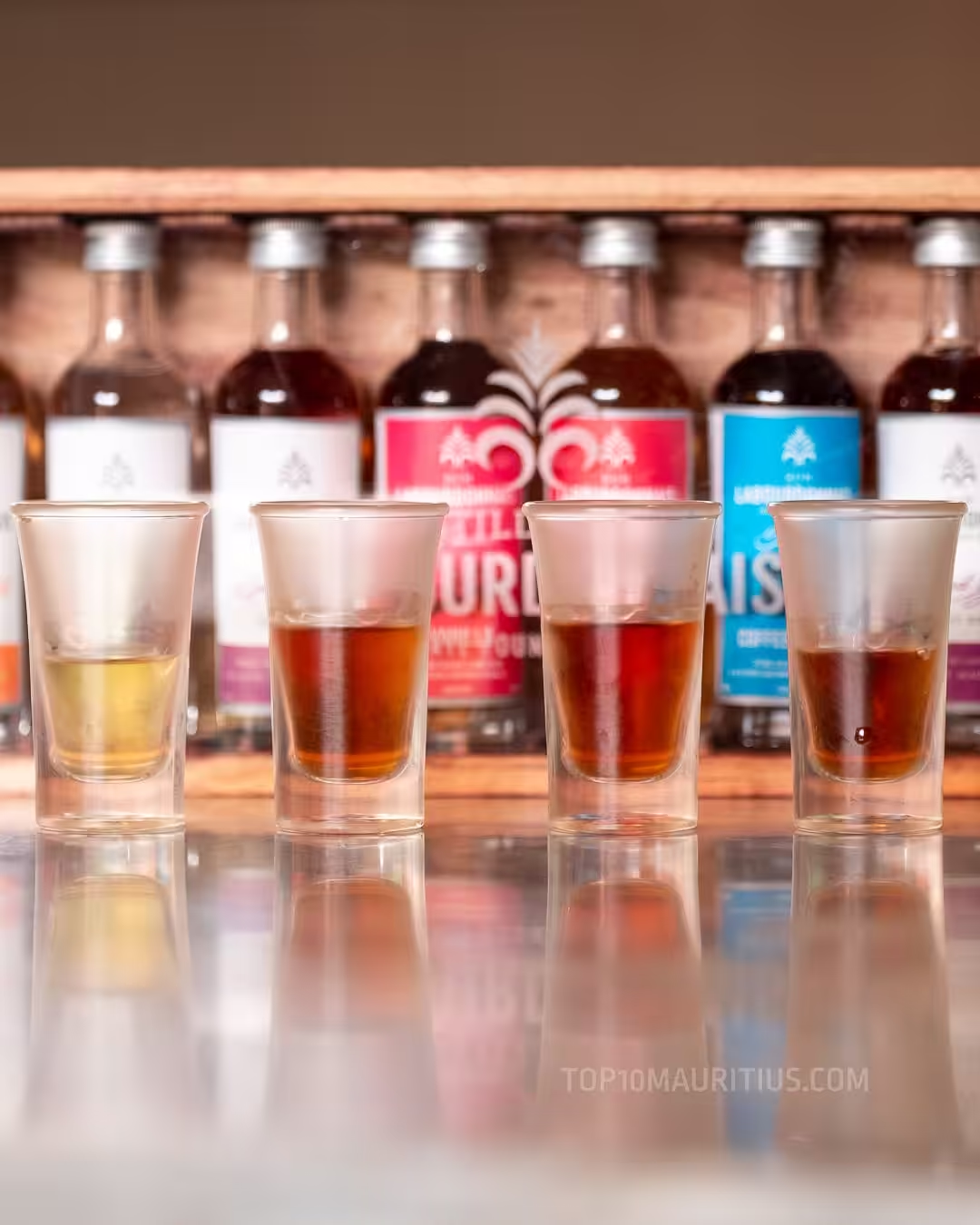
- Labourdonnais rhumerie – just rum tasting. But, in my opinion, the rum itself is tastier than the one in the first factory. Plus, the estate, on the territory of which the rum factory is located, is more interesting than the estate of Aubin. A visit to this estate is included in a very interesting and eventful tour of the north of the island. Read more on this page →
Which distillery to visit? I recommend visiting both places. In the first one, it is interesting to look at the production process, and in the second it’s interesting to see the estate in which the colonialists of Mauritius lived and feel the spirit of the era.
Here are some photos from my visit of Labourdonnais estate and rhum tasting:
Rhumerie de Chamarel Tour Details and Booking
Rhumerie de Chamarel is one of the most famost distilleries in the southwest of Mauritius. It produces premium agricultural rum (Rhum Agricole) from pure, freshly pressed sugarcane juice, rather than from molasses. It offers an artisanal copper-still experience. Guided factory walks run Monday through Saturday from 9:30 AM to 4:30 PM. Adult entry costs 600 MUR (~12 EUR). The price covers a cellar walk and tastings of nine distinct rums, including their premium aged VSOP. You can combine your tasting with a lunch reservation at L’Alchimiste restaurant on-site.
Public transport is not a practical option for visiting the Chamarel distillery in the southwest or the Saint Aubin distillery in the south, as buses run infrequently and require transfers. To combine your visit with a trip to the waterfalls and the Seven-Colored Earths of Chamarel — and to avoid getting behind the wheel after a tasting — it is much easier to book an organized excursion:
- Must-Do in Chamarel, The Rhumerie and The Geopark
- All Inclusive Full Day Tour: Chamarel Rhumrie, 7-Coloured & Lunch
- From Winery to Rum Distillery Full day Southwest with Lunch
Non-alcoholic beverages in Mauritius
Non-alcoholic drinks which you can try in Mauritius include the following:
- Coconut milk – one of the most refreshing drinks on the island. It is sold directly in coconuts; the top is cut off before use.
- Sugar cane juice is obtained from cut stems and is usually served with ice, although coconut milk or lime juice can sometimes be added to it.
- Tea from local plantations (first of all Bois Cheri) – not only a high-quality tea, but also an excellent base for adding vanilla, milk, lemon and honey. Tea with vanilla is considered a classic Mauritian recipe. Very tasty and mild.
- Alouda – refreshing milk-based drink, somewhat reminiscent of a milkshake. However, unlike the usual milkshakes, in addition to syrup, basil seeds and agar-agar (vegetarian alternate to gelatin) are added to the milk.
- Delo tamarin – a drink based on tamarind chutney. Tamarind fruits resemble pods, under whose dry skin is an acidic pulp rich in useful microelements. In addition to tamarind, chutney sometimes includes apples or pears, as well as cumin or cardamom. The paste is diluted with water and then lemon, lime or orange juice, mint and vanilla are added.
- Lassi – another milk-based drink, but here it’s yogurt. Ice cubes, sugar and cumin are added to yogurt, but cumin is sometimes replaced with mint.
Must-Try Street Drinks: Alouda, Tamarind, and Bois Chéri Tea
Order a chilled glass of fresh alouda at the Port Louis Central Market for 40 to 60 MUR. This sweet street drink features agar-agar jelly cubes, soaked basil seeds, condensed milk, and vanilla syrup. Local vendors scoop it directly from giant chilled stainless steel dispensers.
For a tart refresher, street vendors press fresh tamarind pulp with water and brown cane sugar for 50 MUR. Pick up Bois Chéri vanilla black tea in grocery stores for roughly 130 MUR per 50-gram tin. Locals drink it strong, stirred with sweetened condensed milk after afternoon meals.